Market procurement guide
Worm Shaft Supply for India Industrial Buyers
The technical specification does not change with geography, but buyers often balance replacement availability, local machine support and cost-sensitive production quantities. This page organizes the RFQ around those practical procurement differences.
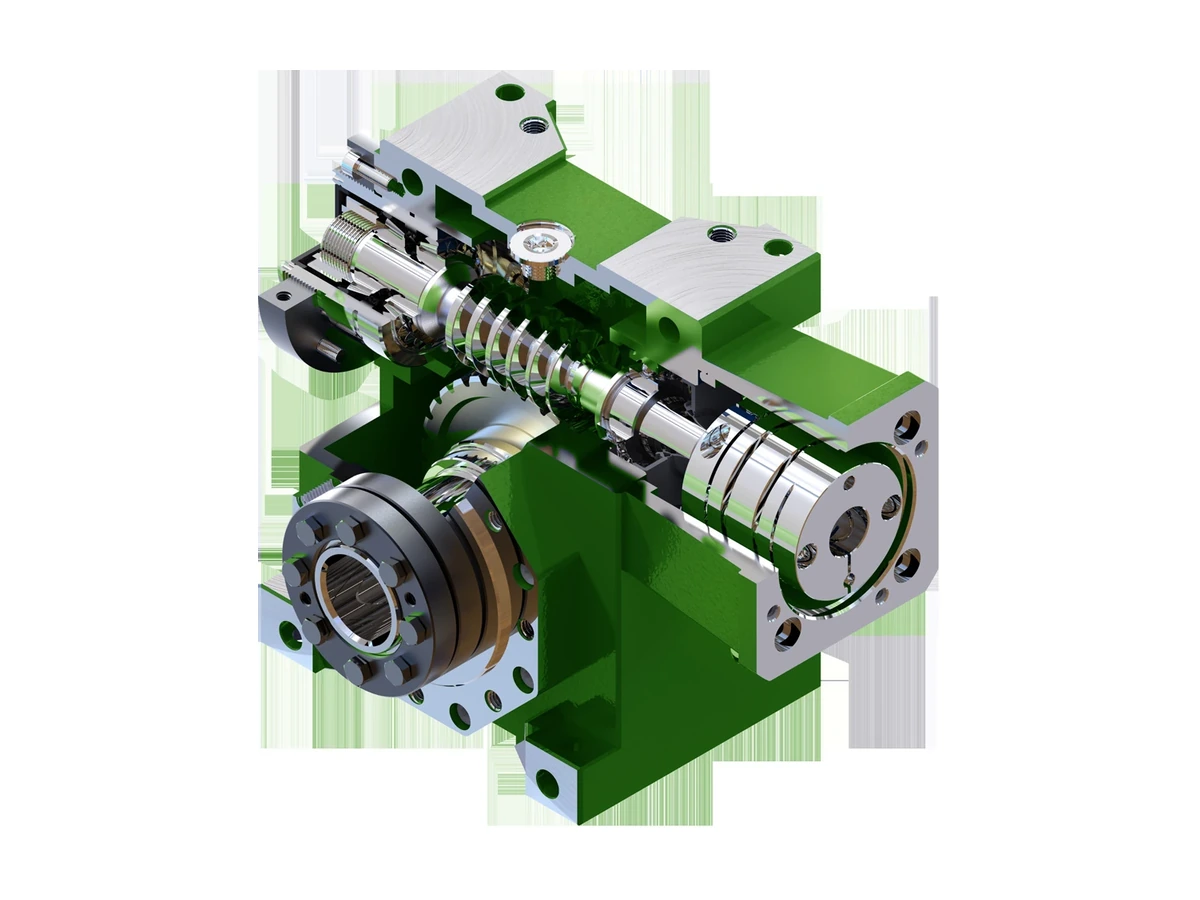
What to include in the RFQ
Identify whether the request is a replacement, prototype or repeat-production part; attach the drawing and specify quantity bands.
For India projects, common application context includes industrial machinery, material handling, process equipment, automotive and general power transmission. The part is still quoted from the actual drawing, sample or mating-wheel requirements; no local stock position is implied.
Procurement checklist
| Parameter | Specification / guidance |
|---|---|
| Part identity | Drawing number/revision, current model or sample reference. |
| Gear geometry | Module/pitch, starts, hand, pressure angle, lead/lead angle and mating-wheel data when known. |
| Interfaces | Journal diameters/fits, shoulders, end threads, bores, keyways or splines. |
| Material / treatment | Use the buyer specification; do not substitute based on a generic market assumption. |
| Inspection | Define requested dimensional, material, hardness, profile/contact or documentation scope. |
| Commercial | Mixed-model orders can be practical when total order value and manufacturing route support them. |
Ordering
Export terms are handled after the part is technically defined
For India, mixed-model orders can be practical when total order value and manufacturing route support them. The quotation will also state the applicable shipment term, packing scope and delivery basis after the shaft specification and quantity are confirmed.

Procurement detail
Quantity bands help separate a replacement from a production program
A one-off maintenance replacement, a 1–5 piece validation batch and a repeat-production requirement can justify different manufacturing and inspection planning even when the drawing is the same. State the current quantity and expected repeat quantity instead of asking for one undifferentiated unit price.
Mixed-model orders can be reviewed around the combined order value and manufacturing route. Keep each model tied to its own drawing or sample reference so consolidation does not blur technical identity.
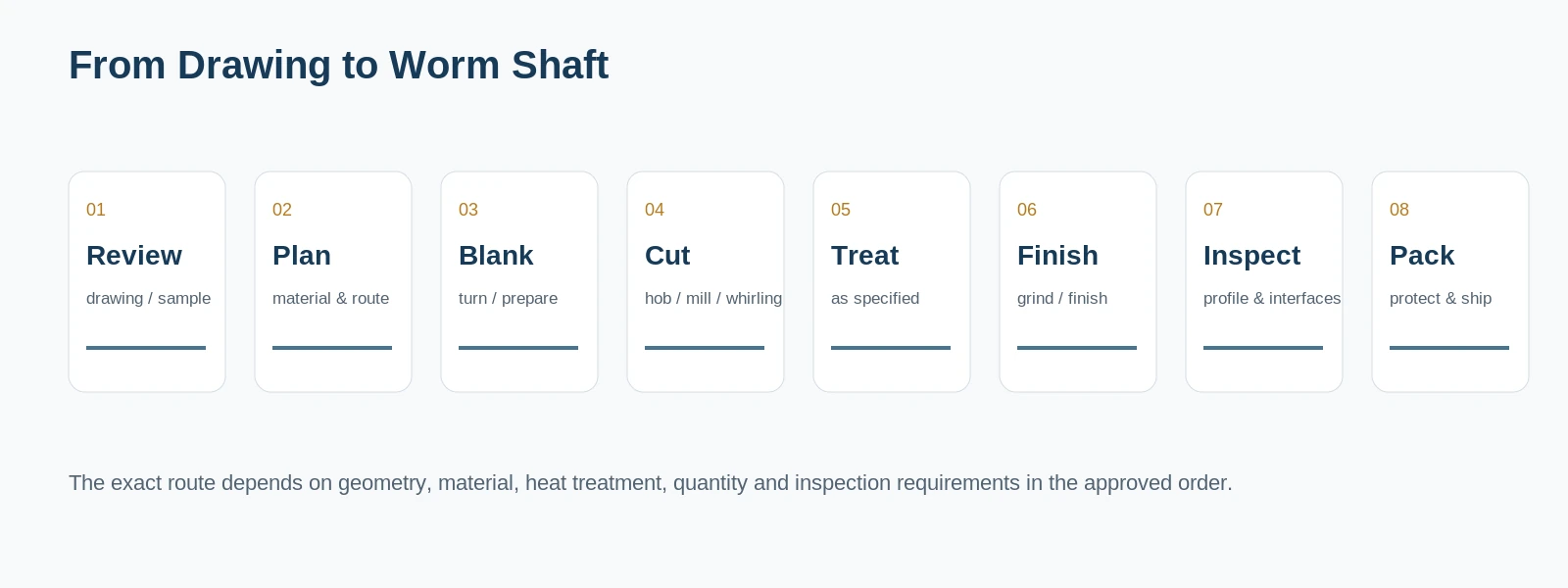
A clearer export RFQ usually separates these four decisions
| Decision | What belongs there |
|---|---|
| Technical identity | Drawing/sample, worm geometry, mating wheel and shaft interfaces. |
| Manufacturing scope | Material, treatment, finishing route and any special process called out by the order. |
| Verification scope | Critical dimensions/gear characteristics and the documentation required with the shipment. |
| Commercial scope | Quantity, sample/repeat status, destination, requested shipment term, packing and target timing. |
Local availability is confirmed per order
India enquiries are reviewed through the published EVER POWER sales channel; this market page does not imply local inventory, dealership coverage or domestic production. Each shipment is quoted for its actual quantity and destination.
If an India project requires local stocking, a nominated forwarder or a particular port/route, put that condition in the RFQ. It can then be evaluated alongside sample, repeat-production and packing requirements.
Quote from the real interfaces
Request a Quote / Send RFQ
Send the model or drawing reference, quantity, application and the geometry that controls fit and mesh. Unknown values can be identified for confirmation rather than guessed.