Market procurement guide
Worm Shaft Supply for Japan Industrial Buyers
The technical specification does not change with geography, but metric drawings, compact machinery and precise component identification make clean model/drawing references particularly valuable. This page organizes the RFQ around those practical procurement differences.
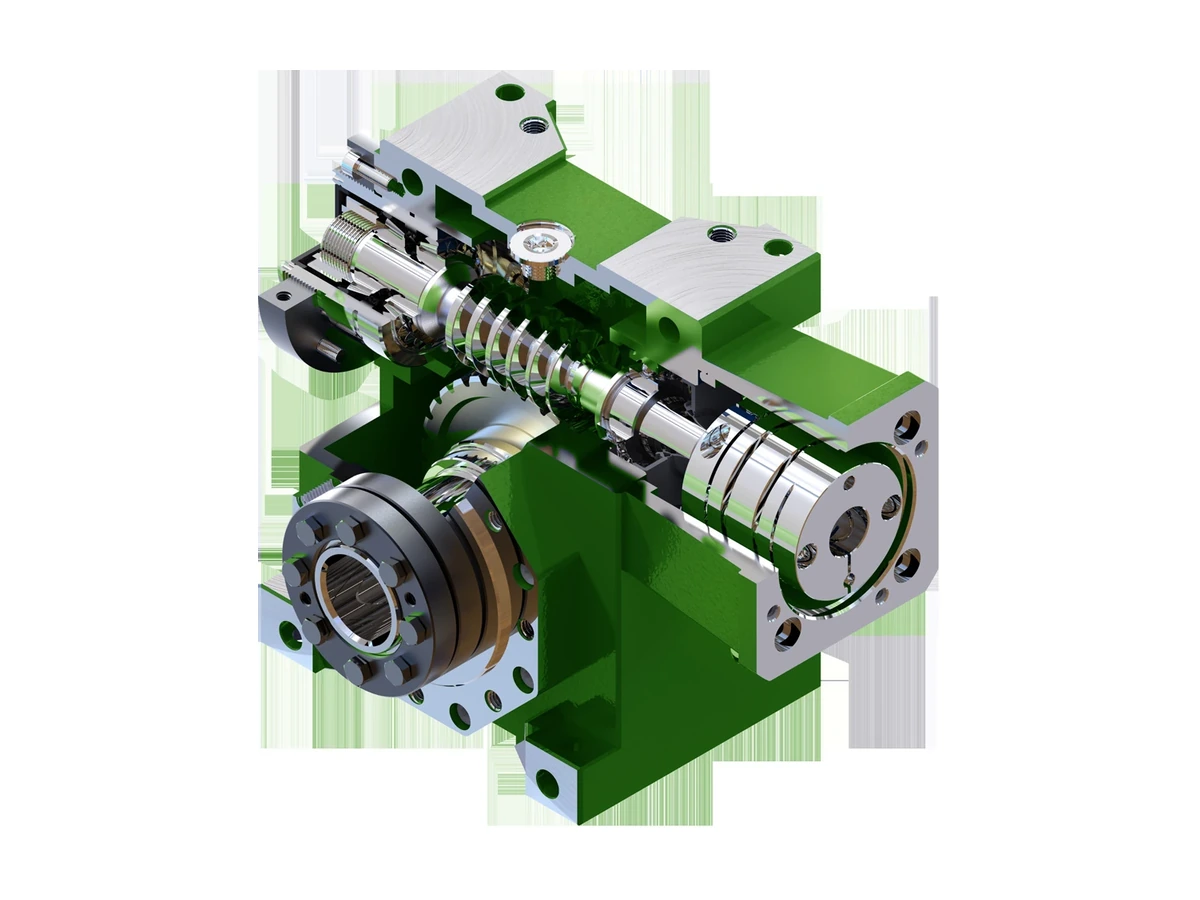
What to include in the RFQ
Provide the exact model, drawing or sample; keep module, hand, starts, center distance and mating-wheel data unambiguous.
For Japan projects, common application context includes precision machinery, robotics, indexing, compact gear drives and factory automation. The part is still quoted from the actual drawing, sample or mating-wheel requirements; no local stock position is implied.
Procurement checklist
| Parametr | Specyfikacja / wskazówki |
|---|---|
| Part identity | Drawing number/revision, current model or sample reference. |
| Gear geometry | Module/pitch, starts, hand, pressure angle, lead/lead angle and mating-wheel data when known. |
| Interfaces | Journal diameters/fits, shoulders, end threads, bores, keyways or splines. |
| Material / treatment | Use the buyer specification; do not substitute based on a generic market assumption. |
| Inspection | Define requested dimensional, material, hardness, profile/contact or documentation scope. |
| Commercial | Confirm packing, labeling and document requirements together with the order. |
Zamawianie
Export terms are handled after the part is technically defined
For Japan, confirm packing, labeling and document requirements together with the order. The quotation will also state the applicable shipment term, packing scope and delivery basis after the shaft specification and quantity are confirmed.

Procurement detail
Exact identification reduces ambiguity on compact drive components
Compact reducers and positioning mechanisms can contain several similar shafts with small but important differences. Put the machine/model reference, drawing number and mating-wheel identity on the RFQ so a supplier does not treat a visually similar shaft as interchangeable.
When tooth data are incomplete, provide ratio, wheel tooth count, center distance and the current component. Packaging and label requirements should be added to the purchase scope separately from the technical geometry.
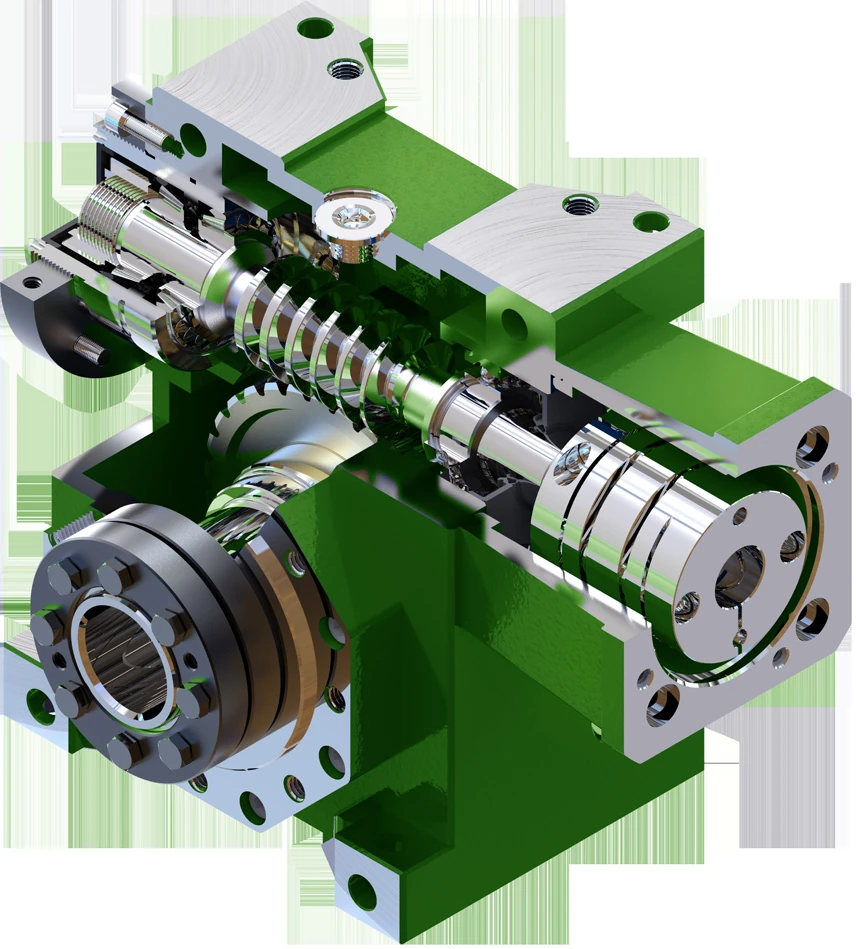
A clearer export RFQ usually separates these four decisions
| Decision | What belongs there |
|---|---|
| Technical identity | Drawing/sample, worm geometry, mating wheel and shaft interfaces. |
| Manufacturing scope | Material, treatment, finishing route and any special process called out by the order. |
| Verification scope | Critical dimensions/gear characteristics and the documentation required with the shipment. |
| Commercial scope | Quantity, sample/repeat status, destination, requested shipment term, packing and target timing. |
Local availability is confirmed per order
Japan-bound projects can be quoted through the site contact, but the page does not indicate an in-country stock point or authorized distributor. Product identity and shipment details are checked against the specific enquiry.
When maintenance timing is tight, include the destination prefecture/postal code, machine shutdown date and any packing/label requirement. This makes the logistics question explicit before order release.
Cytat z prawdziwych interfejsów
Poproś o wycenę / Wyślij zapytanie ofertowe
Prześlij numer referencyjny modelu lub rysunku, ilość, zastosowanie oraz geometrię kontrolującą dopasowanie i siatkę. Nieznane wartości można zidentyfikować w celu potwierdzenia, a nie zgadywania.