About EVER POWER
Custom Worm Shaft Supply Built Around the Part Specification
EVER POWER supports worm-shaft and worm/wheel component enquiries for industrial transmission projects. This site focuses on the technical questions that let an overseas buyer move from an unknown part to a usable quotation.
What we supply
A product-focused supply model
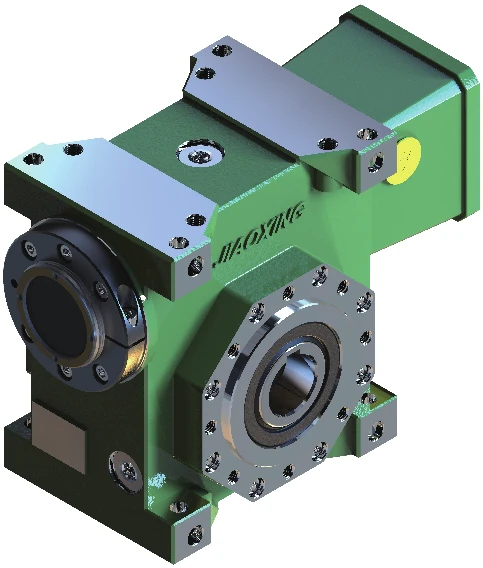
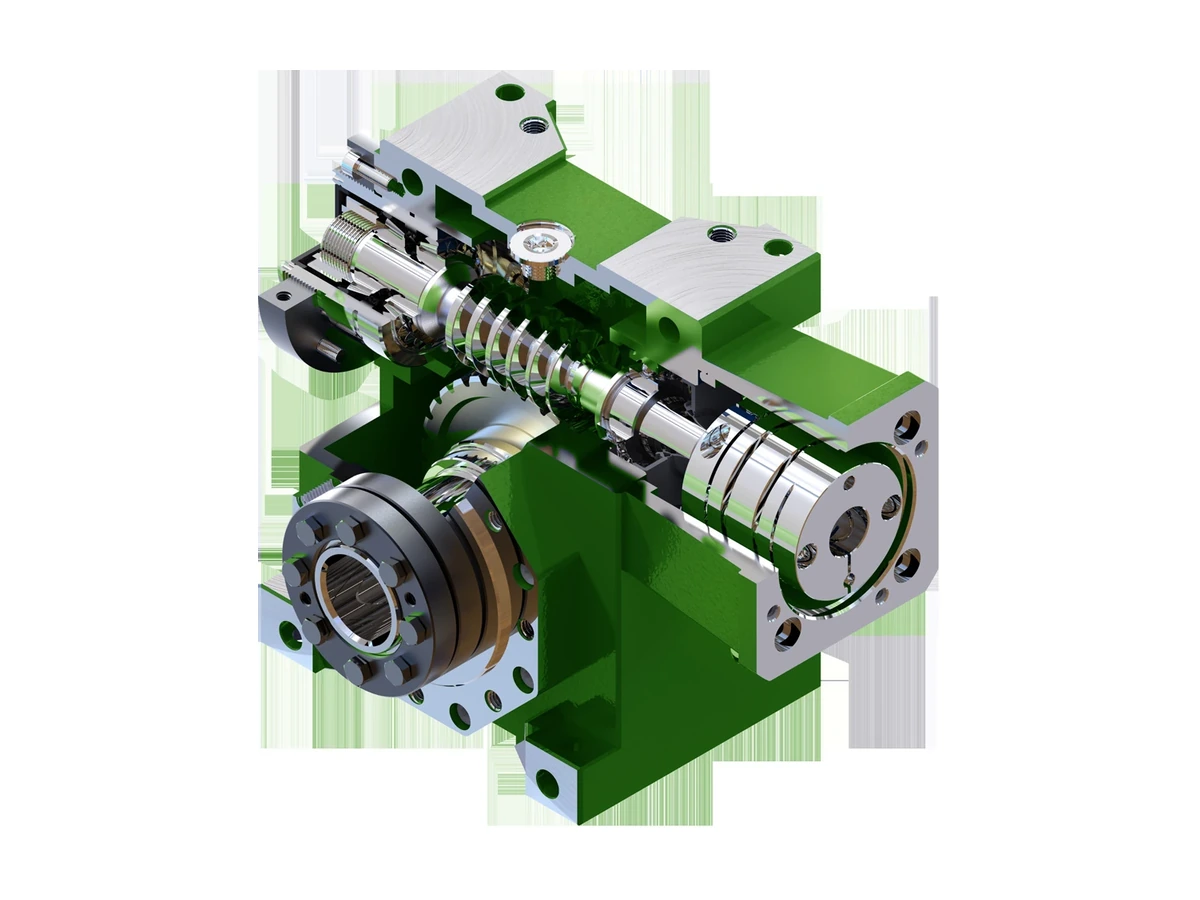
The core offer is a worm shaft made to the controlled geometry: ground or hobbed where appropriate, single- or multi-start, dual-lead where the drive design uses axial mesh adjustment, stainless or other specified materials, and matched worm/wheel sets when pair-level review is the safer route.
JDLB 45–90 pages provide series-level dual-lead context. Custom shaft dimensions, material, treatment and inspection remain controlled by the ordered drawing, measured sample or project specification.
What buyers can expect from the website and RFQ process

Clear product boundaries
Confirmed series/configuration data are separated from dimensions that still require a drawing or sample.

Inspection defined up front
Critical dimensions, gear measurements and documentation are agreed in the quotation rather than implied by generic claims.

Application context
Reducers, automation, robotics, vehicles, heavy machinery and packaging each get application-specific selection questions.

Small and mixed orders
Prototype/small-quantity and mixed-model commercial guidance is published so buyers can plan an enquiry.

Global procurement
Target-market pages cover drawing/document/trade considerations without claiming local stock or offices.

Direct RFQ route
Every substantive page returns to the same technical RFQ, reducing duplicate forms and dead-end CTAs.
From enquiry to repeat supply
RFQ
Drawing/sample and operating context are reviewed.
Clarification
Unknown geometry, material or inspection items are closed before final quote.
Sample / first article
Where the route fits, a small sample quantity can be used to confirm the part.
Production
The approved specification controls the manufacturing and inspection plan.
Repeat order
Stable source IDs/SKUs and drawing references support repeat procurement.
Company contact
Email: [email protected]
Address: 8~10 Ventura Place Dandenong South Victoria Australia 3175.
The address is the company contact location provided for this site. The market pages do not imply additional local offices, distributors or warehouses.
Manufacturing approach
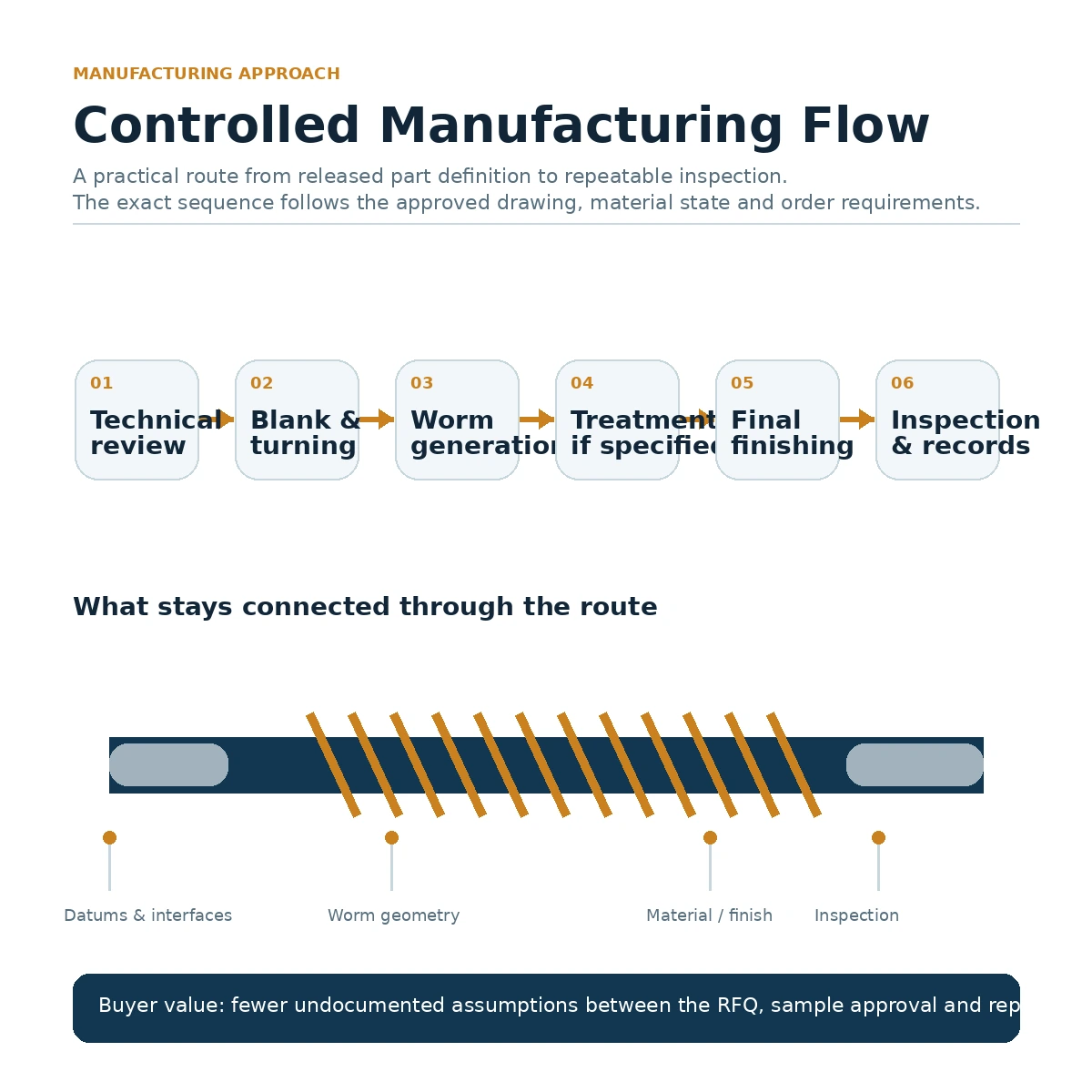
Manufacturing decisions follow the controlled part definition
The work starts with what cannot change: worm geometry, datums, bearing seats, end interfaces and the mating-wheel relationship. From there the material condition, generation route, heat treatment and finishing sequence can be planned for the actual component instead of being copied from an unrelated product.
This approach is particularly important on replacement shafts. A worn sample can reveal interfaces and mesh clues, but damage is not automatically treated as an original nominal dimension. Unknowns stay visible until they are resolved.
Quality approach
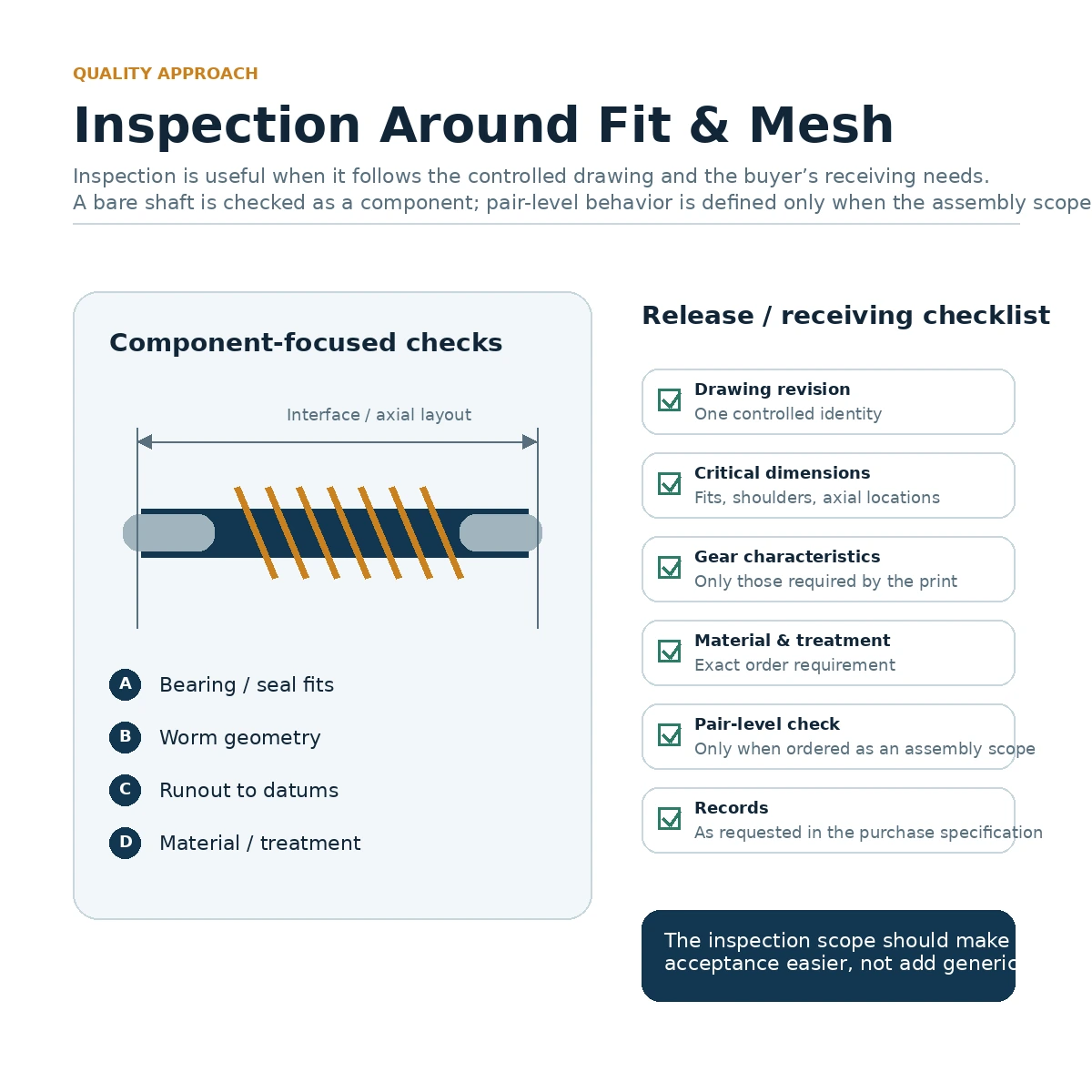
Inspection is agreed around fit, mesh and the buyer’s receiving needs
Dimensional checks focus on the interfaces that locate the shaft. Gear inspection focuses on the tooth data or contact characteristics required by the drawing or order. Material and treatment records are included when the purchase specification asks for them.
For matched worm-and-wheel enquiries, assembly-level contact or backlash can be discussed as a pair-level requirement. A bare shaft is not presented as carrying a complete drive backlash value by itself.
Where EVER POWER is most useful to a buyer
| Buyer need | How the workflow is organized |
|---|---|
| New custom component | Turn an approved drawing into a quote with manufacturing, inspection, sample and delivery scope aligned. |
| Legacy replacement | Use sample measurements, the mating wheel, ratio/center distance and machine reference to rebuild a controlled definition without guessing worn geometry. |
| Dual-lead replacement | Identify JDLB size/ratio/adjustment context and then confirm the exact shaft interfaces and mating condition. |
| Matched worm/wheel set | Review geometry, ratio, material pairing, contact/backlash and replacement condition in one purchasing scope. |
| Prototype to repeat order | Use the same controlled source identity/drawing reference so a successful sample can become a stable repeat-production item. |
| International procurement | Keep technical scope, required documents, packing and trade terms clearly separated so they can be approved by the right people. |
Quote from the real interfaces
Request a Quote / Send RFQ
Send the model or drawing reference, quantity, application and the geometry that controls fit and mesh. Unknown values can be identified for confirmation rather than guessed.