Application
Worm Shafts for Heavy Machinery Drives
Heavy equipment shifts attention toward load, wear, lubrication, shock, contamination and service access.

Buyer decision
What changes the worm shaft specification here
The useful starting point is the operating duty, not a generic industry label. For this application, put extra attention on torque/load context, speed, shock/duty, lubrication, temperature/contamination, shaft support and maintenance strategy.
For heavy machinery drives, review those inputs together with the mating worm wheel, center distance and shaft interfaces. The approved drawing remains the controlling reference for manufactured geometry.
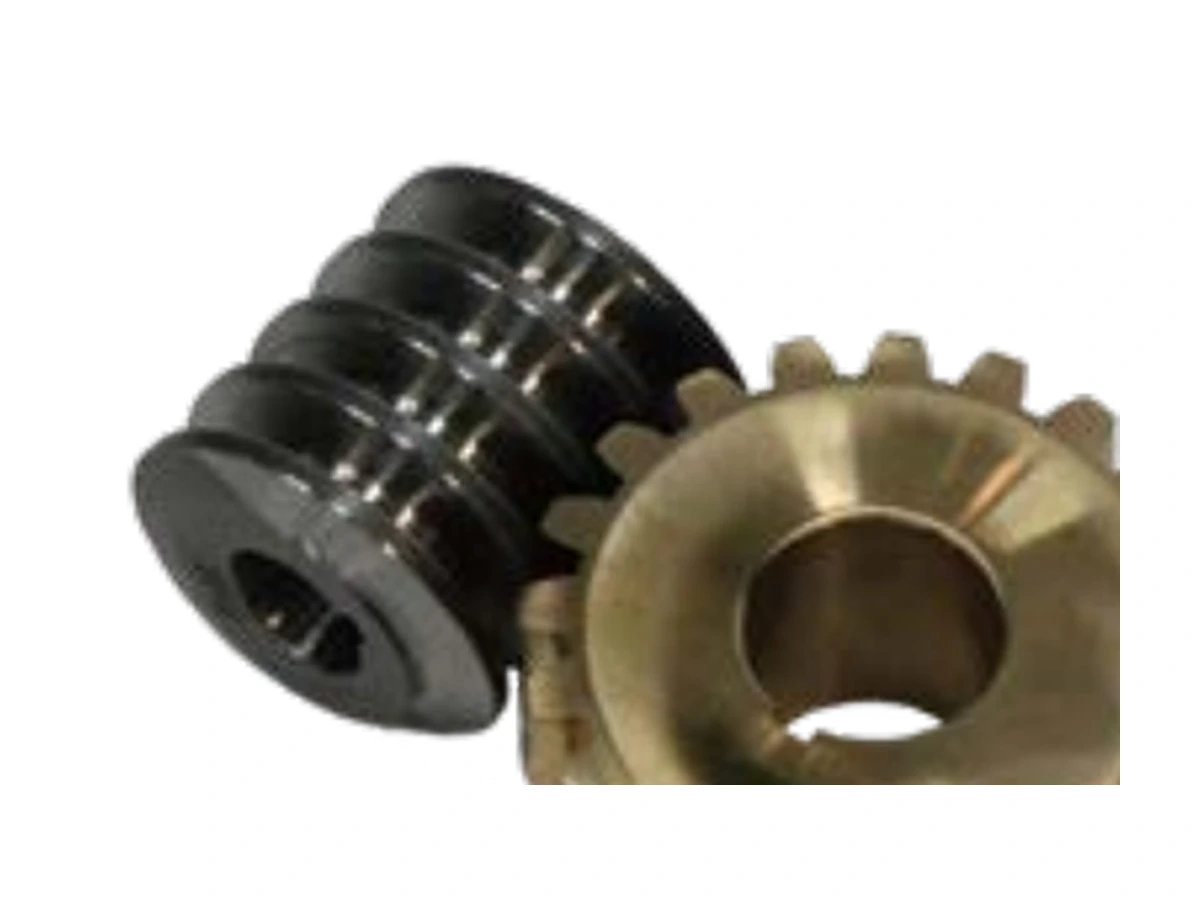
Application RFQ checklist
| Input | What to provide |
|---|---|
| Torque/load context | State the actual value, condition or drawing reference for this project. |
| Speed | State the actual value, condition or drawing reference for this project. |
| Shock/duty | State the actual value, condition or drawing reference for this project. |
| Lubrication | State the actual value, condition or drawing reference for this project. |
| Temperature/contamination | State the actual value, condition or drawing reference for this project. |
| Shaft support and maintenance strategy | State the actual value, condition or drawing reference for this project. |
Product paths commonly considered
Custom worm shaft and matched wheel review where wear or contact is the main problem. The final route depends on the complete mesh geometry, ordered material/treatment and inspection requirement.
For a heavy machinery drives repair, include the old shaft and wheel together when the tooth data cannot be recovered reliably from the machine documentation.
How we move from application to part
Define the machine duty
Record the operating condition and failure/selection objective.
Identify the mesh
Confirm the mating wheel, ratio, center distance and known tooth data.
Lock shaft interfaces
Journals, shoulders, end features and mounting constraints come from the approved print or measured sample.
Choose a manufacturing route
Hobbing, grinding and treatment are selected for the actual specification, not as marketing defaults.
Quote and confirm
Quantity, documentation and delivery are agreed before production.
Frequently asked questions
Can you select a worm shaft from the application name alone?
No. Application context helps us ask the right questions, but the worm/wheel geometry and shaft interfaces still need to be defined.
Should I send the mating worm wheel?
Yes when replacing an unknown shaft or when backlash/contact is a concern. A matched review is safer than assuming a standard mesh.
Can you make a small sample quantity?
For heavy machinery drives, 1–5 samples can be considered where the manufacturing route is suitable. A 1–2 piece order is also possible, normally at a higher unit cost.
Application detail
Separate overload evidence from normal wear
Heavy-duty worm drives can show scoring, pitting, heat discoloration or bearing damage after a lubrication problem, shock event or long service interval. A replacement quote is stronger when those symptoms are documented instead of copied into the new part geometry.
Check the wheel, bearings and housing center distance at the same time. Replacing only the worm shaft may restore fit but not correct a damaged contact pattern or an alignment problem elsewhere in the assembly.
What to record before the RFQ leaves your plant
| Field | Why it matters |
|---|---|
| Load context | Normal torque/load, shock events and start/stop duty. |
| Lubrication | Type, delivery method, condition and any evidence of overheating. |
| Contamination | Dust, moisture, abrasive ingress or washdown exposure. |
| Wear pattern | Where scoring/pitting appears on shaft and wheel, and whether it is localized. |
| Service access | How the shaft is removed, adjusted and relubricated in the machine. |
Useful product routes from this application
Heavy-equipment replacement work should first establish whether the worm, the wheel or both members are worn. The matched set route is useful when contact condition cannot be separated, while the replacement guide helps document the existing assembly.
For a new heavy-duty design, use the selection guide with shock/load context, bearing support, lubrication and service access before choosing the detailed shaft manufacturing route.
Quote from the real interfaces
Request a Quote / Send RFQ
Send the model or drawing reference, quantity, application and the geometry that controls fit and mesh. Unknown values can be identified for confirmation rather than guessed.